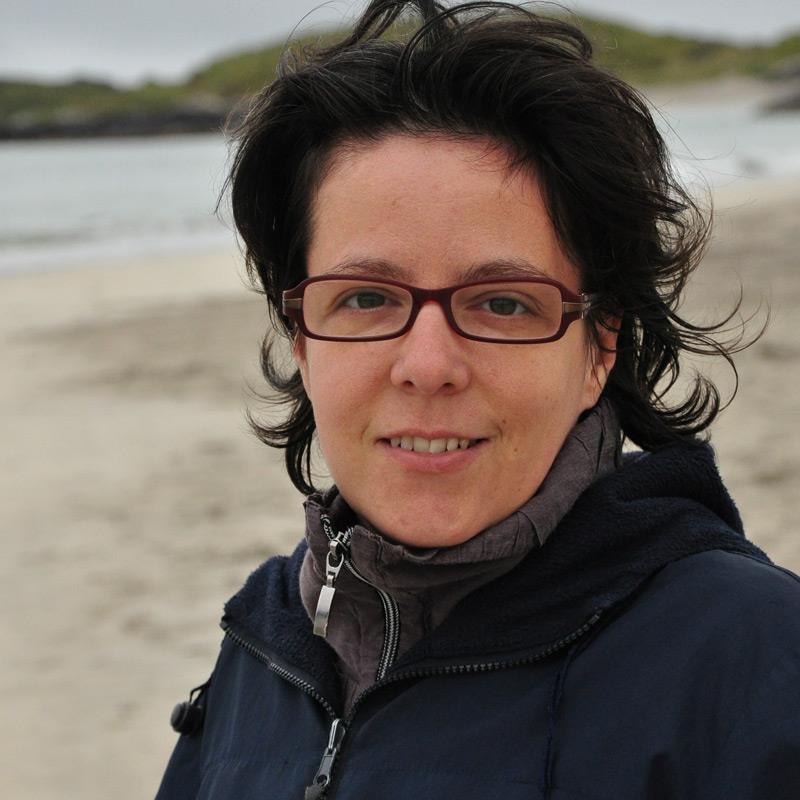
Papp Cseperke vagyok. 35 évvel ezelőtt egy szerepjáték-bolttal, a Sárkányfészekkel kezdtem a pályafutásomat. Azóta a grafikai tervezés, információs dizájn, játékok, marketing, lokalizáció, projektmenedzsment és UI-tervezés bugyraiba mélyedtem bele, és kitértem kicsit a filmkészítés irányába is. Az utóbbi években egyéni vállalkozóként vállalom logók, weboldalak és különféle marketing anyagok készítését.
“The profile shows high variance across different kinds of cognitive and practical operations, not a single elevated or reduced level of ability.
Some operations can run quickly and at high resolution: spotting patterns across visual or conceptual systems, generating multiple options in a short time, sustaining intense focus when the material is novel or intrinsically interesting, and holding complex structures in mind long enough to shape them. Other operations are markedly less reliable: starting tasks that lack immediate interest or that involve administrative sequencing, maintaining steady energy and attention across ordinary work blocks, filtering out extraneous sensory or social input, and converting an internal decision into consistent external progress when no strong external cue is present.
Neither set of operations defines the expected performance of the whole system. There is no basis for expecting constant high-level output simply because the fast operations exist, and no basis for expecting general failure simply because the less reliable operations exist. Both expectations add unnecessary load.
This unevenness is why an equilibrist approach is useful. The practical task is not to force the slower or less consistent operations to match the faster ones, or to treat the faster ones as proof that difficulty should be absent. It is to keep adjusting external conditions—smaller starting steps, protected time blocks, written limits that reduce open-ended negotiation, and reuse of work already completed—so the variance can be worked with rather than treated as a final verdict on capacity. The same system produces both the distinctive results and the costly gaps. Both are observable data. The ongoing adjustment is what keeps either from being required to disappear.”